
FAQ

Categories John is most interested in representing:

I am most enthusiastic about representing narrative nonfiction of all types, but especially history, participatory journalism, current events, sports, pop culture and business. In fiction I am particularly keen for thrillers and mysteries, commercial and upmarket women's fiction, and literary fiction.

For nonfiction, newspaper, magazine and Web experience can be helpful; many books are generated from concepts first tried out in articles and Blogs. A marketing platform, i.e. a Web site or Blog with a large reader base, or a list of corporate clients and customers, and a track record of speaking engagements and media appearances, can be the deciding factor in getting the sale. On the other hand, some book deals happen in a flash - a quick proposal based on a Blog that reflects the zeitgeist of the moment, a passion or expertise of yours conveyed in just the right way at the right time. There are no absolute necessities except for an author's passion, a desire to develop one's craft, and the goal of communicating through words.

In fiction, I'm keenly interested in well-crafted thrillers and good genre fiction in growth categories. More generally I am looking for the fresh voice and perhaps new perspectives applied to familiar situations. Writers with minority backgrounds and unusual experiences interest me, as do writers of what Sue Miller calls domestic realism. Previous publication online or in literary journals and magazines can be a plus, but is not absolutely necessary. Oftentimes the most surprising and engaging material comes from a writer who may not have published yet, or who's been quietly and patiently working away for months or years, ready to surprise and delight us with a wonderful read.

Categories Gail is most interested in representing:

I am most enthusiastic about representing narrative nonfiction, commercial women's fiction, historical fiction, mysteries and romance novels. Narrative nonfiction can cover almost any subject, but history, food, and science are particular interests of mine. Newspaper and magazine experience is helpful; many books are generated from concepts first tried out in articles. 

In fiction, I am looking for a voice that grabs me and a narrative that keeps me turning the pages. I like original voices.

What we're not interested in representing:

We do not normally represent children's books, science fiction, fantasy, Westerns, poetry, or screenplays.

Do you charge reading fees?

We do not charge reading fees.

What is the approximate ratio between fiction and nonfiction at your agency?

Right now it's probably about 50% fiction and 50% nonfiction.

How would you describe an ideal client?

Our clients put passion into their writing and are enthusiastic about what they do. They communicate well with their editors and forge strong and responsive relationships with them. They love to read as much as we do, and they're the kind of people you'd enjoy hanging out with.

How and why did you become an agent?

Becoming an agent was a natural progression from being editors. The work is similar, but we're able to spend less time in meetings and more time working with authors. We can also handle a more eclectic range of material, and we get to work with editors throughout the industry who share our passions and enthusiasms.

What if anything can a writer do to increase the odds of you becoming his or her agent?

Put your best efforts into your work and just follow the submission guidelines; we'd love to hear from you.

Do you have any particular thoughts about editors or publishers in general?

Editors are without a doubt the hardest working and most idealistic people in book publishing. Publishers represent the best opportunity for gifted writers to get wide distribution, readership, and money in what is an often difficult business.

Personal information & interests for John:

Favorite TV Shows:
Burn Notice, Family Guy.

Favorite Movies:
Any Given Sunday, Jerry Maguire, Risky Business, Chinatown.

Desert Island Books:
Joan Didion's Collected Nonfiction, The Selected Nonfiction of John Gregory Dunne, The Stories of John Cheever.

Favorite Commercial Novels (clients excluded): The Innocent, A Simple Plan, Cathedral, Eye of the Needle, Mystic River, The Andromeda Strain, The Bridges of Madison County, Love Story, The Notebook.

Personal information and interests for Gail:

Books I love that I wish I had agented:
THE GUERNSEY LITERARY AND POTATO PEEL PIE SOCIETY, Mary Ann Shaffer and Annie Barrows
THE OTHER BOLEYN GIRL, Philippa Gregory
THE EIGHT, Katherine Neville
WATER FOR ELEPHANTS, Sara Gruen
SHOGUN, James Clavell
CITY OF SHADOWS, Ariana Franklin
THE PIANO TUNER,  Daniel Mason
DON'T LET'S GO TO THE DOGS TONIGHT, Alexandra Fuller
MANHUNT, James Swanson
THE RIVER OF DOUBT, Candice Millard
A HOMEMADE LIFE, Molly Wizenberg

Recommended Resources:

Publishersmarketplace.com

publishersweekly.com

mediabistro.com

Jeff Herman's Guide to Book Publishers, Editors, and Literary Agents 2010

On Writing by Stephen King

The Writing Life by Annie Dillard

Thinking Like Your Editor, Susan Rabiner and Alfred Fortunato


The following interview with John is courtesy of GalleyCat.com.

       Lit Agent John Talbot Has "Experience and Vision"

Literary Agent and Partner at The Talbot Fortune Agency, John Talbot is proud of what he can offer his clients. In this interview he tells us why being an agent is exciting work, why you should always treat each book like it's your first book, and about the single best way to impress an editor.


What is your job title at your agency, and can you tell us why you might be the best agent in the universe?

Literary Agent and Partner, The Talbot Fortune Agency LLC.

Would never claim to be the best in the universe but can claim to be a great match, and yes, sometimes the absolute best representative, for the clients who choose to work with me and with the agency. Why? 20+ years in commercial book publishing, half that time as an editor and half as an agent, give me the experience and vision to help clients manage careers for the long haul. I also share my decision-making responsibilities with partner Gail Fortune and our sub rights representative Eileen Laverty, both of whom have similar publishing backgrounds. The needs of each client are different and I try to be responsive to each on an individual basis. Likewise I enjoy delivering to editors and sub rights contacts books they can fall in love with, written by clients who take pride in their professionalism. Sometimes what a client needs most to thrive is simply highlighted information, good advice, and a connection with the right editor. Sometimes they need more than that, and sometimes less; a good agent should know when to step in and when to back off. My job is to be an advisor and mediator, to be professional and yet personal with my service, to get the best writing out of my clients, and, most importantly, to convey my passion for their work to our friends on the other side of the desk -- then get the best deals possible. I have plucked "ready made" bestsellers from the slush pile, and I have developed projects from scratch that have earned large advances and significant royalties for my clients. No day is ever the same in this business: experience, judgment, flexibility, contacts, and long-term relationships are crucial. Yet on any given day a sparkling new discovery can land in my in-box and turn everything deliciously upside down. That's why I love this business.

Are you psyched about new digital tech like the Kindle and other ebook readers?

I love the new technologies. On any given day I'll read from a hardcover, a paperback, my computer, my iPhone, my Kindle, and hard copy manuscripts. Multiple platforms expand the overall marketplace, they put words in more places and in front of more eyeballs. As an agent, you just want to make sure your clients are getting compensated properly for these platforms. Unfortunately also, piracy has become a problem that the entire industry must work to address.


What kinds of books are likely to get published? What do editors want to work on right now?

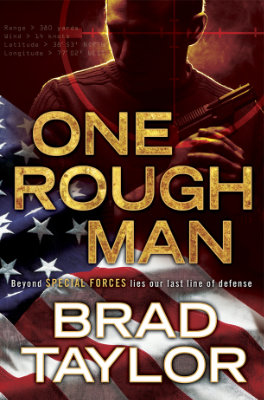
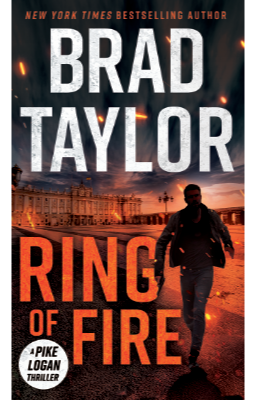
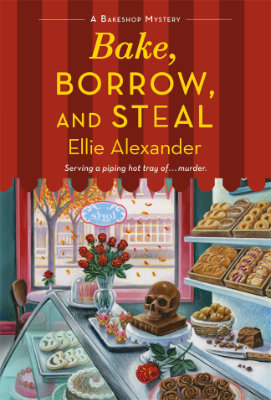
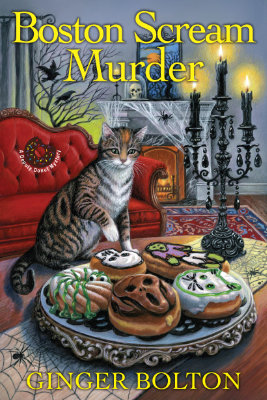
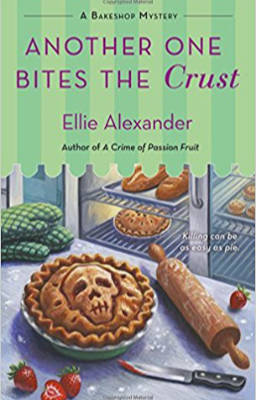
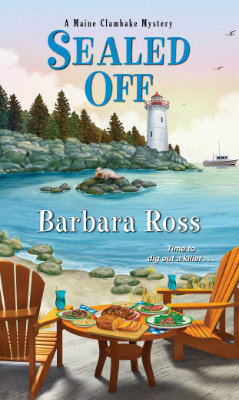
I think I know but I'm keeping it a secret... No, honestly, I only know what's hot for me and what might be hot for the editors I'm working with and submitting to. For me lately I've done very will with big thrillers and with cozy mysteries. I've also got some neat literary nonfiction narratives I'm just sending out.

As an editor I published Tom Perrotta's first three books and would love to find someone similar to work with as a client. I really, really enjoy sports books; also biographies, history, immersive journalism, and current events. Business books and high-concept self-improvement. I could always use more submissions in those categories.


How has your agency tried to prepare for the economic changes in the publishing industry? And what advice do you give your writers to keep them from subsisting only on Ramen noodles?

Focus intensely on growing my own business and that of my clients. This is still a multi-billion dollar industry; if you use good judgment, are perseverant, and a little bit lucky, you can still create wealth for your clients.

I don't know too many writers who haven't gone through a Ramen stage at some point or other, and I'm not against counting pennies even if you've got a comfortable life. But in terms of what a writer can control -- the words on the page -- I would say to hold nothing back. Look at the editorial suggestions you've been given, whether in a writing workshop, by your agent, or most especially by your editor, and push the ones that resonate with you right to the edge. Go over the top, make it bigger, bolder, more beautiful, and more emotionally felt. No one wants a tepid manuscript; at least I don't. I do want to laugh, cry, and have the crap scared out of me. Don't hold back. (That doesn't mean you have to overwrite, either; Joan Didion is about as bracing a read as can be, yet look for a wasted word or an overstatement and you won't find one; she pushes the envelope though, doesn't she?)

Oh, and the single most appreciated trait by an editor? Meet your deadlines. Treat every book as if it's your first book and your last, put your heart and soul into it, and nail the deadline... Not much to ask, I know.

And finally, if an editor throws a project or an idea your way, do give it your greatest consideration before deciding how to proceed. Sometimes that idea can develop into an author's best book; sometimes it'll just pay bills till the next big deal comes along. Either situation could be helpful for you in the long run.

What should writers to (or not do) when they try to get in touch with you?

Via email query as per the guidelines on our Web site.

When my response gets spam-blocked and bounced back to me because the author hasn't cleared my email address with their mail server. Grrr.

Before we go, could you tell us an interesting fact about yourself?

I love romantic comedies. Also hockey. Not sure if these are mutually exclusive.

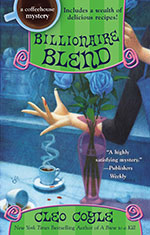
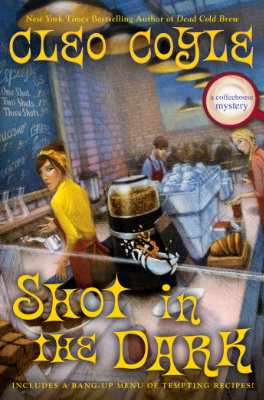
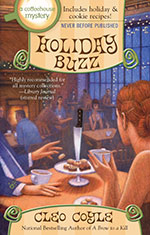
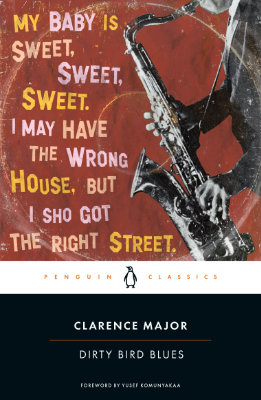
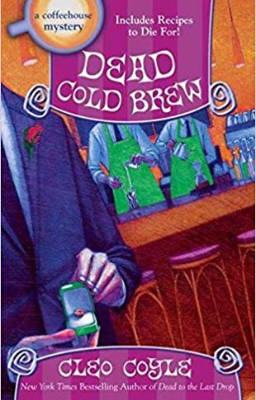
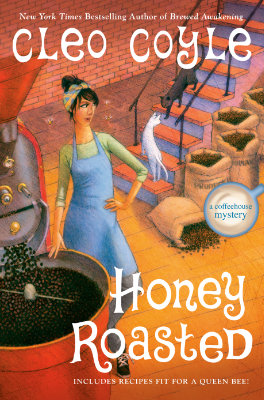
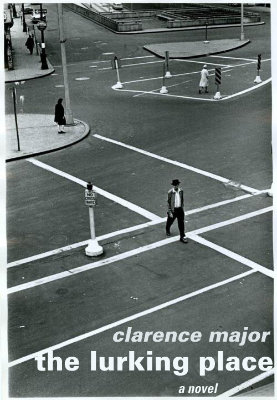
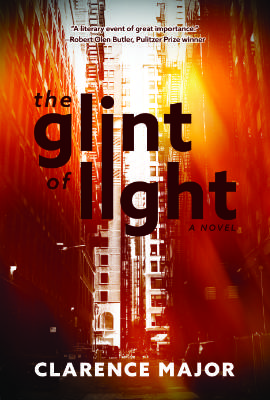
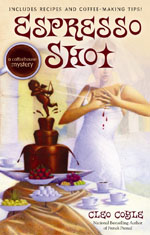
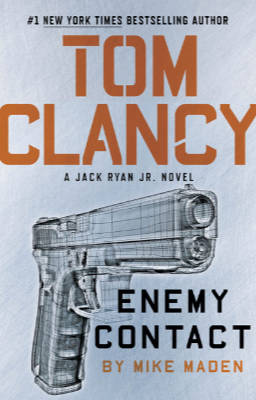
John Talbot is a literary agent and former book editor with 20+ years of publishing experience. His clients include several New York Times and USA Today bestsellers, National Book Award Finalist Clarence Major, National Book Critics Circle Award Nominee Bruce Bawer, New England Book Award winner Suzanne Strempek Shea, and Coffeehouse Mystery bestseller Cleo Coyle. He is a member of the AAR. Prior to becoming an agent John spent three years with Pocket Books and seven years with Putnam Berkley (now part of Penguin USA), where he rose to the rank of senior editor and worked with such major bestselling authors as Tom Clancy, W.E.B. Griffin, and Jack Higgins, as well as rising literary stars such as Tom Perrotta. He edited over a dozen national bestsellers and had five New York Times Notable Books for the Putnam, Berkley, and Riverhead imprints. He began his editorial career at Simon & Schuster/Prentice Hall Press. Before getting into publishing he spent a year working for TDK in their Mikumagawa plant in Hita City, Japan. John received his B.A. in English Composition from DePauw University and also spent semesters at Washington University in St. Louis and Nanzan University in Nagoya, Japan.


The following interview with Gail is courtesy of GalleyCat.com.

Lit Agent Gail Fortune Tells Writers: "Focus on Writing"

Gail Fortune is an agent and partner at The Talbot Fortune Agency, LLC, and she really believes in her clients. In this interview, she tells us why it is important that a writer make their work ready for the marketplace, and keep in close touch with their editors.


What is your official job title at your agency, and why are you the best they've got? 

Literary Agent and Partner, The Talbot Fortune Agency, LLC

There are a lot of great agents in the business, including my partner John Talbot, but I hope I'm always the best agent for my clients. I think the key is to treat each client individually and only take them on if you are utterly passionate about their writing and their work.

Quickly before we begin, let us in on a fact that not many people know about you. 
I love to cook.

What are you looking for right now in the books that you represent? 
I think editors are always looking for what agents are looking for-great new voices, writing that jumps off the page at you and stories that linger long after you close the book. I would certainly love to see more historical fiction, women's fiction and narrative nonfiction-history, food narrative and science titles.

Do you think that ebooks are a good thing for the publishing industry? What kinds of worries could they open up in your work? 
I think anytime people are talking about books-it's a good thing. And any new device that opens up the world of books to more readers is a good thing. I think as agents we really have to keep a close eye on the new platforms and the royalty issues for our clients. Also piracy is becoming a huge concern.


Have you made any changes to respond to publishing's low time right now? 

I think that I'm focusing a bit more on ancillary rights these days with the help of our rights director Eileen Laverty. I'm also very involved editorially with my clients (I was an editor for 16 years) to make sure that projects are really tailored to today's marketplace and are really ready for submission.

What about your writers? Would you suggest that they make any changes to keep ahead? 
Authors need to focus on the writing-to polish and then polish again and make every proposal shine. Authors also need to maintain very good relationships with their editors and be open to suggestions and possible new projects that their editors need.


And finally, if an author wants to reach you after reading this interview, what is the best way for them to do it? 

Via query per our guidelines on our website. I really don't like it when my reply gets bounced back to me or I have to register with some spam filter to respond.


Gail Fortune is a literary agent and former book editor with over twenty years of publishing experience. Her clients include New York Times and USA Today bestsellers. Prior to becoming an agent she spent sixteen years at Putnam Berkley (now part of Penguin Group (USA)), where she rose from assistant to the Editor-in-Chief to Executive Editor. Her authors won six RITAs, and were nominated for Edgar and Anthony Awards. She published two Publishers Weekly Books of the Year. She edited many other national bestsellers in romance, mystery and narrative nonfiction. She is a graduate of Northwestern University 's Medill School of Journalism.


The above interviews are courtesy of GalleyCat.com.